How to Stay Safe Around Campfires
Outdoor Safety
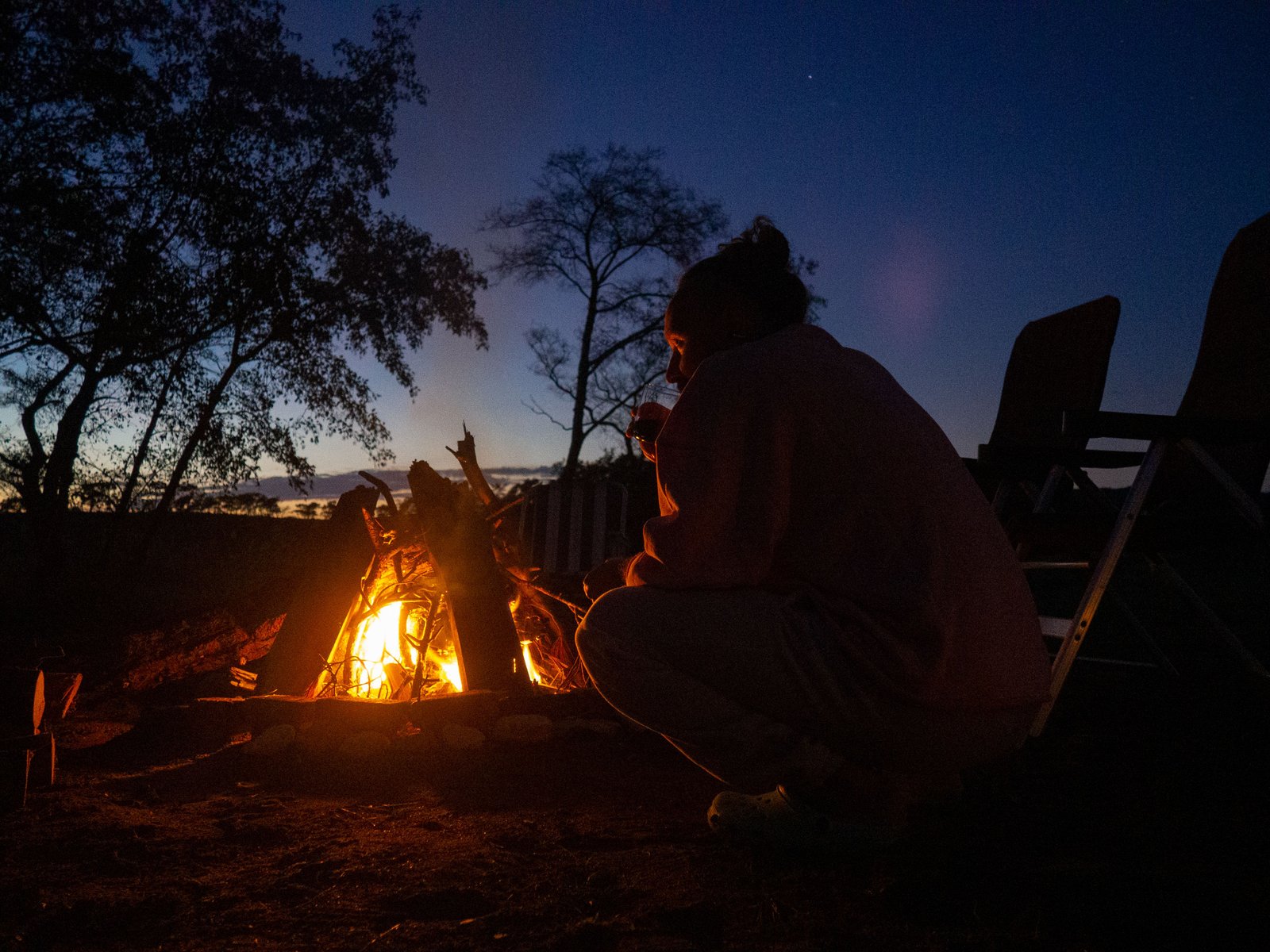
Most camping trips will inevitably be accompanied by a campfire. It’s one of the best parts of being outdoors - cooking food, staying warm, and sitting around the flames at the end of the day. But even small fires need to be handled properly to keep everyone safe. A campfire that’s too big, badly placed, or left unattended can quickly turn a relaxing evening into a stressful one. The good news is that staying safe isn’t complicated; it’s just about knowing a few simple habits that keep the fire controlled and the campsite protected. This guide shows you how to enjoy a campfire confidently, without putting yourself, your tent, or the environment at risk.
Building a Safe Campfire
1. Choose a safe spot for the fire
Pick a clear, open area away from tents, trees, long grass, and anything that could catch fire. If your campsite has designated fire rings or metal pits, always use them - they’re designed to contain heat and prevent sparks from spreading. If you’re building your own fire spot, make sure it’s on bare earth or gravel, not on soft ground or roots.
2. Create a proper fire base
A safe fire starts with a controlled base. Use a fire ring, stones, or a shallow pit to keep the flames contained. This helps stop embers from rolling out and keeps the heat focused in one place. A tidy fire base also makes the fire easier to manage and much simpler to extinguish later.
3. Keep the fire small and manageable
Beginners often build fires that are far too big. A safe campfire is small, steady, and easy to control - you should never need to “fight” it. Start with a modest pile of kindling and add larger pieces slowly. If the flames are roaring or reaching above knee height, it’s too big.
4. Use the right materials
Only burn dry wood, kindling, and natural materials. Avoid anything treated, painted, or full of chemicals - these release toxic fumes and unpredictable sparks. Never use petrol, lighter fluid, or aerosols to start or boost a fire. A simple fire starter or a handful of dry twigs is all you need.
5. Keep your seating and gear at a safe distance
Chairs, bags, and cooking gear should sit well back from the fire. A good rule of thumb: if you can stretch your legs toward the fire without feeling uncomfortable heat, you’re at the right distance. This keeps sparks away from clothing and stops accidents when people move around.
6. Always have water nearby
A bottle, bucket, or pan of water should be within arm’s reach. You’ll rarely need it, but having it ready means you can react instantly if a spark lands somewhere it shouldn’t. It also makes extinguishing the fire at the end of the night quick and easy.
7. Never leave the fire unattended
Even a small fire can cause problems if nobody is watching it. If everyone leaves the area - even for a few minutes - the fire should be fully extinguished first. A campfire should always have someone nearby who can keep an eye on it.
Staying Safe While the Fire Is Burning
1. Keep the fire small and steady
A safe fire is one you can control easily. If the flames start getting tall, loud, or fast‑burning, stop adding wood and let it settle. Big fires look impressive but they’re harder to manage and more likely to throw sparks.
2. Watch for sparks and drifting embers
Even a small fire can send out the occasional spark. Keep an eye on where they land, especially if there’s dry grass or gear nearby. If you see an ember drift somewhere it shouldn’t, deal with it straight away - a quick stomp or splash of water is all it takes.
3. Sit at a safe distance
People naturally shuffle closer to the fire as the evening gets colder. Make sure everyone stays far enough back that clothes, blankets, or hair can’t accidentally dip toward the flames. A comfortable leg‑stretch distance is usually perfect.
4. Be careful when cooking
Cooking over a fire is great fun, but it’s also when most accidents happen. Use long utensils, keep sleeves rolled back, and avoid leaning directly over the flames. If you’re roasting marshmallows, don’t wave the stick around - hot sugar sticks to skin.
5. Keep loose items away from the fire
Blankets, bags, jackets, and rubbish can all drift closer than you expect, especially if people move around. Make a habit of keeping the area around the fire tidy so nothing accidentally catches.
6. Move slowly and deliberately around the fire
Trips and stumbles are one of the most common causes of campfire accidents. At night, with low light and uneven ground, it’s easy to misjudge a step. Walk carefully, especially when carrying food or drinks.
7. Supervise children and pets closely
If kids or dogs are part of the trip, they should never be left to wander near the fire. Set a clear “no‑go zone” and make sure they understand it. A small boundary makes a big difference.
8. Never leave the fire unattended
Even if the flames look low and safe, someone should always be nearby. If everyone is heading away - even briefly - the fire needs to be fully extinguished first.
Common Mistakes
Building the fire too close to tents or gear
Beginners often underestimate how far heat and sparks can travel. A fire that’s even slightly too close to tents, chairs, or bags can cause damage quickly. Distance is one of the simplest and most important safety factors.
Making the fire too big
A large fire is harder to control, burns unpredictably, and throws out more sparks. Most accidents happen because the fire was built bigger than necessary. A small, steady flame is safer, easier to manage, and just as enjoyable.
Using the wrong materials to start the fire
Lighter fluid, petrol, aerosols, and treated wood are all dangerous. They burn unpredictably, flare up suddenly, and release harmful fumes. Safe fires start with dry wood, kindling, and simple fire starters - nothing else.
Leaving the fire unattended
Even a small fire can cause problems if nobody is watching it. Beginners often wander off “just for a minute”, not realising how quickly a fire can change. If everyone leaves the area, the fire must be fully extinguished first.
Letting loose items drift too close
Blankets, rubbish, jackets, and bags can slowly creep toward the fire as people move around. A cluttered fire area is one of the most common causes of accidental burns or flare‑ups.
Not having water ready
Most beginners don’t keep water nearby, which makes it harder to react quickly if a spark lands somewhere it shouldn’t. Having water within arm’s reach is a simple habit that prevents small issues becoming big ones.
Not extinguishing the fire properly
Pouring a little water on the flames isn’t enough. Embers can stay hot for a long time and reignite if left alone. Beginners often think the fire is “out” when it’s still smouldering underneath.
Putting It All Together
Campfire safety isn’t about strict rules or complicated techniques - it’s about staying aware and keeping things controlled. When you choose a good spot, build a tidy fire base, keep the flames small, and pay attention to what’s happening around you, everything becomes easy and enjoyable. Most problems come from simple mistakes: fires built too close to tents, flames allowed to grow too big, or people stepping away without fully extinguishing the embers. Once you understand how a safe fire should look and behave, you can relax, cook, and enjoy the warmth without worrying about what might go wrong. With a few steady habits, every campfire becomes a safe, comfortable part of your trip.