Beginner Camping Checklist
Beginner Basics
Been invited on a camping trip but suddenly realised you don’t actually own any camping gear? You’re not alone. This guide covers the essentials you really need for a smooth first trip - nothing complicated, nothing expensive. Pack these basics and you’ll be ready to enjoy camping without the guesswork.
Essential Items Explained
Tent
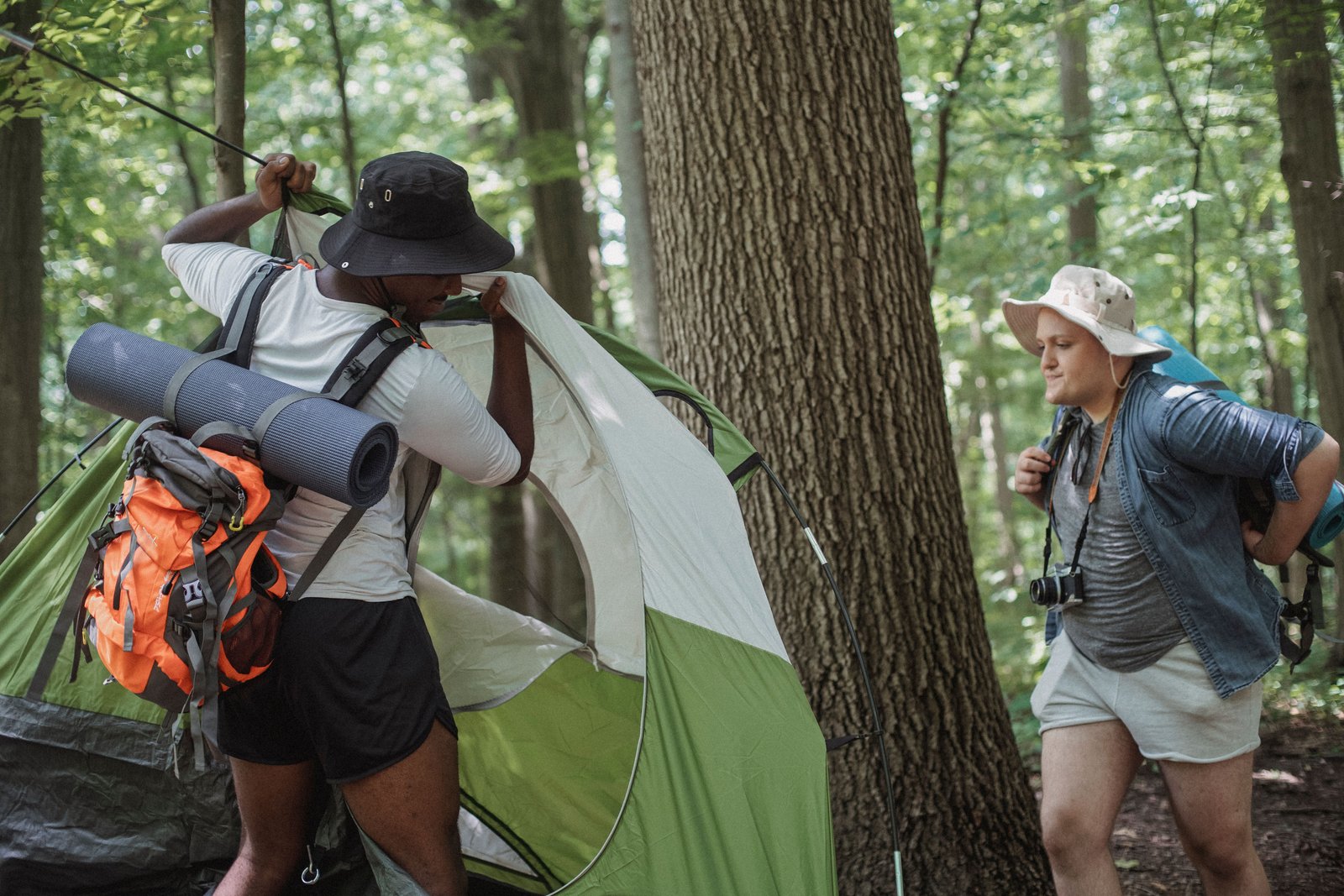
A tent is the first thing you’ll need for any camping trip. It doesn’t have to be expensive or complicated - just something reliable that keeps you dry and gives you a comfortable place to sleep. If you’re borrowing one, make sure you know how it pitches before you arrive at the campsite. Nothing slows down a trip like trying to figure out mystery poles in the rain.
Sleeping Bag
Nights outdoors are almost always colder than beginners expect, even in summer. A decent sleeping bag makes the difference between a cosy night and shivering until morning. You don’t need a specialist bag - just something rated for the season you’re camping in and comfortable enough to sleep well.
Sleeping Mat
A sleeping mat does two important jobs: it keeps you warm by insulating you from the ground, and it makes the tent floor much more comfortable. Even a basic foam mat is better than nothing. Many beginners skip this and regret it when they realise how much heat the ground pulls away overnight.
Camping Chair
You don’t want to get your tent set up and realise you have nowhere to sit. A simple camping chair makes your whole trip more comfortable, especially in the evenings. I went to my first music festival without one and spent the whole weekend sitting on the floor at camp - not fun, and definitely not comfortable. Bring a chair. You’ll thank yourself later.
Torch / Headlamp
A torch or headlamp is one of those things you don’t realise you need until it’s dark and you’re trying to find something in your tent. Campsites don’t have streetlights, and relying on your phone torch can drain your battery surprisingly quickly - especially if you’re using your phone for photos, maps, or music. A small torch or headlamp keeps things simple and makes moving around at night much easier.
Stove & Cooking Gear
If you’re planning to cook, a small camping stove and a gas canister are all you need. You don’t have to make anything fancy - even boiling water for a hot drink can make a huge difference on a chilly evening. Bring a lighter or matches, a simple pot or pan, and something to eat with. Keep it basic, keep it easy, and you’ll be fine.
Warm Clothing
Even in summer, UK evenings can get surprisingly cold. A warm jumper, comfortable trousers, and a waterproof jacket make a big difference once the sun goes down. Camping is all about layers - you can always take them off if you get warm, but you can’t put on what you didn’t pack.
Comfortable Footwear
You’ll be walking more than you expect, even on a simple campsite. Comfortable shoes or boots make everything easier, especially if the ground is uneven or wet. Avoid brand‑new shoes that haven’t been broken in yet -camping is not the place to discover they rub.
Water Bottle
A reusable water bottle is essential. Campsites usually have drinking water taps, but you’ll want something you can carry around during the day. Staying hydrated makes the whole trip more enjoyable, especially if you’re doing any walking.
Mug
A mug is easy to overlook, but you’ll miss it the moment you want a hot drink. Whether it’s tea, coffee, or just warm water on a chilly morning, having something sturdy to drink from makes camping feel much more comfortable. Borrowing mugs at a campsite isn’t always possible, and drinking straight from a pan isn’t fun - pack a simple mug and you’re sorted.
Phone Charger / Power Bank
A power bank is essential for keeping your phone charged throughout the trip. Campsites rarely have plug sockets, and your phone becomes your camera, your map, your contact with friends, and your backup light if you really need it. Even a cheap power bank is enough to get you through a weekend without worrying about running out of battery.
Toiletries
You don’t need much — just the basics. Toothbrush, toothpaste, deodorant, and maybe some wet wipes. Campsite showers vary wildly, so having a few simple items helps you feel fresh even if the facilities are basic.
First Aid Kit
A small first aid kit is always worth bringing. Plasters, painkillers, and antiseptic wipes cover most minor issues. You don’t need anything advanced — just enough to deal with small cuts, blisters, or headaches.
Sunscreen & Insect Repellent
Even cloudy days can burn you, and insects love campsites. A small bottle of sunscreen and a basic repellent can save you a lot of discomfort. I once went to a festival where it rained all morning and stayed grey all afternoon. I wore wellies, waterproof trousers, and a raincoat and felt completely protected - until the evening, when I realised I’d managed to get sunburned through the clouds because I hadn’t bothered with sunscreen. Don’t make the same mistake.
Full Checklist
Shelter
Tent
Tent pegs
Mallet
Groundsheet or footprint
Sleeping
Sleeping bag
Sleeping mat
Pillow (or stuff sack with clothes)
Cooking
Camping stove
Gas canister
Lighter or matches
Pan or pot
Mug
Spoon/spork
Clothing
Warm jumper
Comfortable trousers
Waterproof jacket
Comfortable footwear
Essentials
Water bottle
Torch or headlamp
Phone charger / power bank
Toiletries
Safety
First aid kit
Sunscreen
Insect repellent
Comfort
Camping chair
Extra blanket
Wet wipes
Optional Extras
Bin bags
Snacks
Portable speaker
Small towel
Extra socks
Common Mistakes
Not packing indoor clothes
One of the biggest beginner mistakes is wearing the same clothes all day and then having nothing dry to change into at night. Campsites get damp, weather changes quickly, and even a short walk can leave your clothes wet or muddy. Always pack a set of “indoor clothes” that stay inside the tent -dry socks, dry trousers, and a warm top. Changing into them in the evening makes a huge difference to your comfort.
Relying only on your phone for light
Phone torches drain battery fast, especially if you’re using your phone for photos, maps, or music. A small torch or headlamp is much more reliable and saves your battery for things you actually need your phone for.
Forgetting warm layers
Even in summer, evenings can get cold. Beginners often pack for daytime temperatures and forget that nights outdoors feel very different. A warm jumper or fleece is essential.
Not bringing a camping chair
It’s easy to overlook, but sitting on the ground gets uncomfortable quickly. A simple camping chair makes evenings much more enjoyable and keeps you off damp grass.
Skipping sunscreen on cloudy days
Cloudy weather doesn’t mean you’re safe from sunburn. I once spent a rainy, grey festival day fully waterproofed - wellies, rain trousers, raincoat -and still ended up sunburned by the evening because I didn’t bother with sunscreen. Don’t make the same mistake.
Putting It All Together
Packing for a camping trip doesn’t have to be complicated. Once you’ve got the essentials covered - shelter, something warm to sleep in, a few layers, and the basics for cooking and comfort - you’re already most of the way there. The small details, like keeping a dry set of indoor clothes or bringing a chair for the evenings, make a big difference to how enjoyable the trip feels. Take a moment to check through the list, pack what suits your plans, and you’ll be ready for a comfortable, stress‑free first camping experience.